
Troubleshoot Supabase
“Need expert help debugging Supabase issues quickly”
Deep dive with an AI assistant trained on Supabase best practices to quickly root cause issues and optimize performance.
Get Started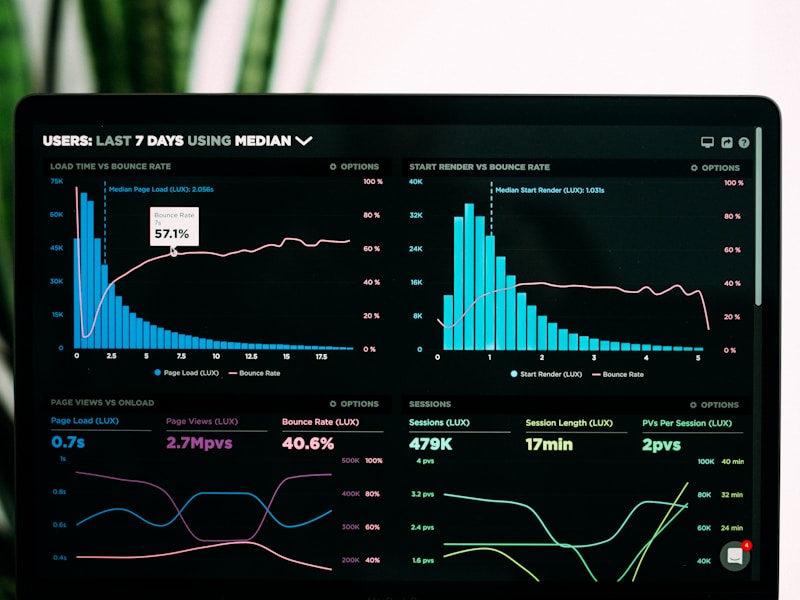
AI-powered debugging for your Supabase database
Need to deep dive with an AI assistant trained on Supabase best practices? Dreambase agents can help you easily and quickly root cause issues, optimize performance, and implement fixes.

The Problem
Supabase is powerful, but debugging issues can be challenging:
- Performance problems — Slow queries, high latency, timeouts—but where's the bottleneck?
- RLS complexity — Row Level Security policies can be tricky to get right, and debugging them is painful
- Index mysteries — Which indexes do you need? Which ones are unused? What's causing that sequential scan?
- Connection issues — Pool exhaustion, connection limits, authentication failures
- Schema questions — Is this the right data model? How should I structure this relationship?
- Best practices uncertainty — "Am I doing this right? What would a Supabase expert recommend?"
The result? Hours of Stack Overflow searches, Discord questions, and trial-and-error debugging when you should be building product.
See it in action
Here's what a Dreambase dashboard looks like for this use case
No report available yet.
Ask a question about your database usage, performance, or analytics.

The Dreambase Solution
Dreambase agents are trained on Supabase best practices and have direct access to your database schema, metadata, and performance signals. Get expert-level debugging assistance instantly.
AI Trained on Supabase Best Practices
Our agents understand Supabase-specific patterns, common pitfalls, and recommended solutions. They don't just give generic Postgres advice—they know Supabase.
Direct Access to Your Schema
The agent sees your actual tables, columns, relationships, and indexes. No need to copy-paste schema definitions or explain your data model.
Performance Insights
Dreambase analyzes query patterns, identifies slow queries, and recommends optimizations specific to your workload.
Interactive Debugging
Chat with the agent to explore issues. Ask follow-up questions, test hypotheses, and iterate on solutions in real-time.

Common Troubleshooting Scenarios
Slow Query Performance
Symptom: API calls are timing out or taking too long
Dreambase helps by:
- Analyzing your query patterns
- Identifying missing indexes
- Recommending query optimizations
- Showing EXPLAIN ANALYZE output with interpretation
Row Level Security Issues
Symptom: Users seeing data they shouldn't, or not seeing data they should
Dreambase helps by:
- Auditing your RLS policies
- Identifying gaps in coverage
- Suggesting policy improvements
- Testing policies against sample users
Database Performance Degradation
Symptom: Everything was fine, now it's slow
Dreambase helps by:
- Running a full Report Card assessment
- Identifying what changed (table growth, new queries, missing indexes)
- Recommending immediate fixes and long-term improvements
Schema Design Questions
Symptom: "Is this the right way to model this?"
Dreambase helps by:
- Analyzing your current schema
- Suggesting improvements based on best practices
- Considering your query patterns and access patterns
Connection Pool Issues
Symptom: "Too many connections" errors, intermittent failures
Dreambase helps by:
- Analyzing connection patterns
- Recommending pool configuration
- Identifying connection leaks

Dreambase Supabase Report Card
For comprehensive health checks, run a Supabase Report Card:
What We Analyze
- RLS Coverage — Are all tables protected?
- Index Health — Missing indexes, unused indexes, index bloat
- Query Performance — Slow queries, sequential scans, optimization opportunities
- Schema Best Practices — Naming conventions, data types, constraints
- Security Configuration — API exposure, authentication setup
What You Get
- Overall health score
- Prioritized list of issues
- Specific fix recommendations
- One-click prompts for Cursor/Claude Code

How It Works
1. Connect Your Supabase Project
OAuth connection with minimal permissions. We read your schema and metadata.
2. Run a Report Card (Optional)
Get a comprehensive assessment of your database health.
3. Chat with the Agent
Describe your issue in natural language. The agent has full context of your schema.
4. Get Actionable Recommendations
Specific SQL commands, configuration changes, and best practice guidance.
5. Implement with Confidence
Use our generated prompts in Cursor, Claude Code, or your preferred editor to apply fixes.
Example Conversations
You: "My users table queries are really slow. What's wrong?"
Agent: "I see your users table has 2.3M rows but no index on created_at, which is used in your most frequent queries. Here's the index to add: CREATE INDEX idx_users_created_at ON users(created_at DESC); This should reduce query time from ~800ms to ~15ms based on your query patterns."
You: "I'm getting RLS errors but I don't understand why"
Agent: "Your profiles table has RLS enabled but no SELECT policy for the authenticated role. Users can insert but not read their own profiles. Here's a policy that allows users to read their own profile: CREATE POLICY "Users can view own profile" ON profiles FOR SELECT USING (auth.uid() = user_id);"
Get Started
Stop searching Stack Overflow. Connect Dreambase to your Supabase project and get expert-level debugging assistance in minutes.
Ready to get started?
Join teams who are already using Dreambase to unlock insights from their Supabase data.